

How Long Does Crawl Space Encapsulation Last? Maintenance & Lifespan Guide for Clayton, NC
Encapsulation lifespan in Clayton, NC
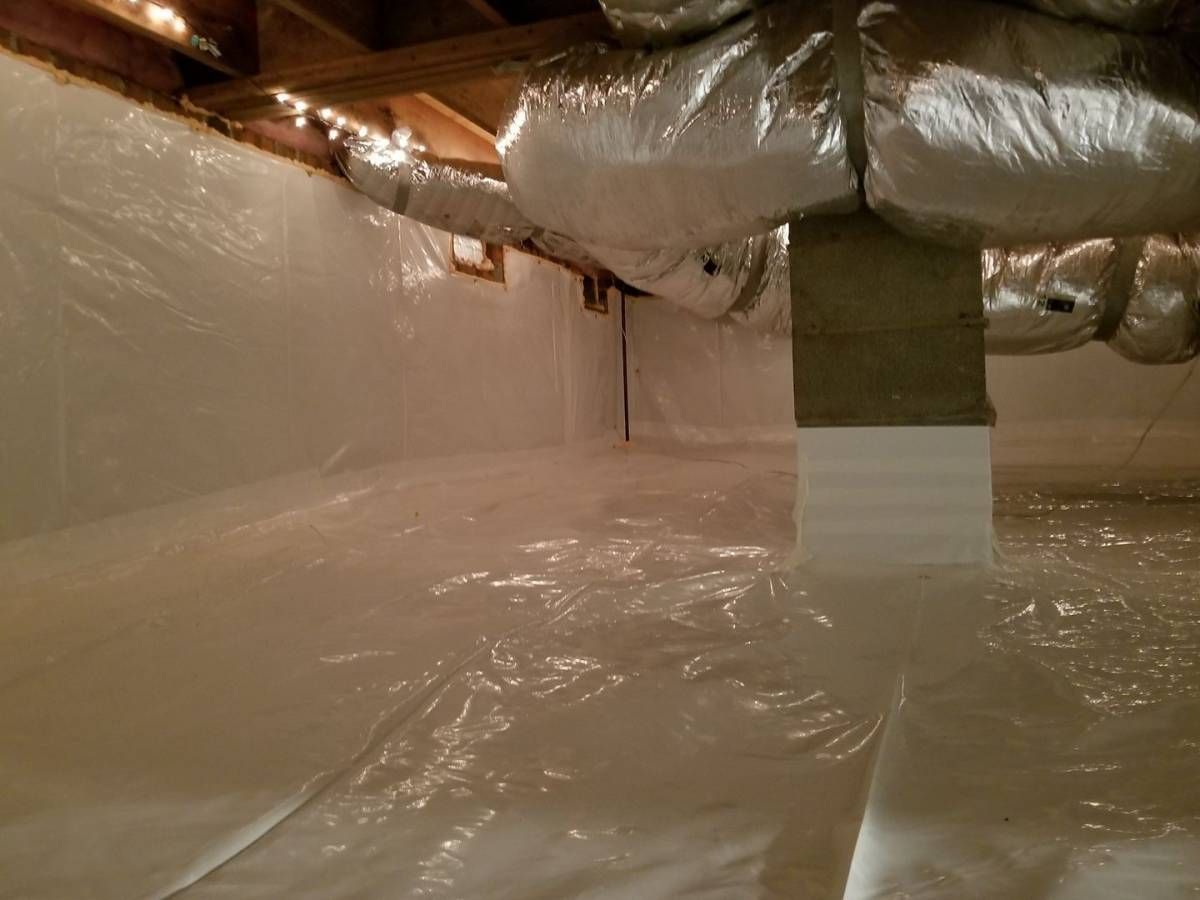
Crawl space encapsulation typically lasts 10 to 20 years when installed correctly and maintained. Some systems can go longer, but in Clayton and the greater Triangle area, the lifespan depends heavily on moisture control and how the crawl space is used.
Encapsulation is not just a plastic sheet. A proper crawl space encapsulation system usually includes wall and floor liners, seam sealing, closed vents, air sealing, and often a dehumidifier. The more complete the system, the longer it tends to last.
 What affects how long crawl space encapsulation lasts here
Clayton sits in a warm, humid region where long cooling seasons and frequent rain keep ground moisture high. That matters because moisture is the number one reason an encapsulation system fails early.
Key regional factors that shorten lifespan:
-
High humidity for much of the year, which increases condensation risk
-
Heavy rain events that can overwhelm grading and gutters
-
High water tables in some neighborhoods, leading to damp soils and standing water
-
Mild winters that still create temperature swings, which can cause duct sweating and condensation
-
Red clay soils that hold water, keeping the ground under the home damp longer
If your crawl space regularly sees water intrusion, a vapor seal crawl space system can still work, but only if drainage and humidity control are addressed first.
The parts that wear out first
Not every component ages the same. Most early problems show up at seams and edges.
Common failure points:
-
Seams separating because tape or adhesive fails in humidity
-
Wall liner pulling loose due to poor fastening or masonry dust
-
Tears or punctures from storage, pests, or service work
-
Dehumidifier failure or poor drainage from the condensate line
-
Insulation sagging or falling after ongoing moisture exposure
If you are comparing quotes, ask what thickness liner is used and how seams are sealed. That directly impacts durability and crawl space encapsulation cost over the long run.
Warning signs your encapsulation needs maintenance or repair
A vapor barrier crawlspace should make the area cleaner, drier, and less musty. When problems return, it is usually telling you something.
Watch for:
-
Musty odor returning inside the home
-
Floors feeling softer, bouncy, or cooler than usual
-
Visible condensation on ducts, pipes, or the liner
-
Mold spots on joists or sill plates
-
Liner pulling away from walls or torn sections on the ground
-
Standing water, muddy areas, or mineral staining on foundation walls
-
Pest activity or droppings in the crawl space
-
Dehumidifier running constantly or not keeping humidity down
If you see any of these, it may be simple maintenance, or it may indicate crawl space repair is needed before the encapsulation can do its job again.
What causes encapsulation to fail early
Most early crawlspace repairs in Clayton & surrounding areas come from one of three issues: water, air, or shortcuts.
Typical causes:
-
Drainage problems outside the home
-
clogged gutters
-
downspouts dumping near the foundation
-
negative grading toward the house
-
-
Missing or undersized dehumidification
-
Leaving vents open or not properly sealing them
-
Skipping air sealing at rim joists and penetrations
-
Installing liner over wet conditions without fixing the water source
-
Poor seam prep on dusty walls
-
Thin material that tears easily
-
No pest prevention plan
Encapsulation is a system. If one part is missing, the rest has to work harder and wears out faster.
Risks of ignoring a failing encapsulation
A compromised crawl space encapsulation can create expensive issues above it. In Clayton’s humidity, moisture problems do not stay contained.
Main risks:
-
Mold growth and odors that travel into living spaces
-
Wood rot at joists, girders, and sill plates
-
Increased energy bills from damp insulation and humid air leakage
-
HVAC issues from condensation, corrosion, and reduced efficiency
-
Allergy and respiratory irritation from mold and dust
-
Termite risk rising when wood stays damp
If you suspect moisture, do not wait for visible rot. Encapsulation works best when the crawl space stays consistently dry.
Maintenance checklist to extend lifespan
Good news: most encapsulation systems last much longer with simple routine checks.
Recommended maintenance:
-
Every 3 to 6 months
-
Check for tears, loose seams, or pulled corners
-
Look for condensation on ducts and pipes
-
Confirm the dehumidifier is running and draining properly
-
-
After big storms
-
Inspect for standing water or damp wall staining
-
Check that downspouts are still extended away from the home
-
-
Once per year
-
Professional inspection for hidden moisture, mold, and wood damage
-
Verify humidity levels and equipment sizing
-
Confirm vents remain sealed and air leaks are addressed
-
Target humidity: many contractors aim to keep crawl spaces around 45 to 55 percent relative humidity. If yours stays higher, the system will age faster.
How to know if you need maintenance or a full redo
Not every issue means replacing the whole system. A quality liner can often be patched and re sealed.
You likely need maintenance if:
-
Small tears or seam gaps are localized
-
The dehumidifier just needs service or replacement
-
A downspout or grading issue caused a temporary spike in moisture
You may need a larger crawl space repair plan if:
-
Water intrusion is ongoing
-
Mold or rot is present on framing
-
The liner is thin, brittle, heavily torn, or poorly attached
-
The system was installed without sealing vents or air leaks
-
Humidity cannot be controlled even with a dehumidifier
A quick inspection can usually tell the difference.
What to do next in Clayton, NC
If you want your encapsulation to last 10 to 20 years in this climate, the right move is to confirm three things:
-
Water is managed outside and under the home
-
Air leaks and vents are sealed
-
Humidity is controlled with properly sized equipment
Sealed Solution can inspect your crawl space, check moisture sources, and recommend the most cost-effective path, whether that is patch work, equipment upgrades, or a full vapor barrier crawlspace rebuild.
Call (984) 313-9494 to schedule an inspection and get a quote for crawl space encapsulation in Clayton, NC.